 Ultra Running Hub
What to Eat During a 100-Mile Race: An Hour-by-Hour Guide
A practical nutrition plan for 100-milers — what to eat in the first hours, what your stomach can handle at mile 60, and how to eat through the dark patch.
Most runners who DNF a 100-miler don't fail because their legs gave out. They fail because their stomach did. Nutrition in a 100-mile race is a completely different game from a marathon — and if you treat it the same way, you'll pay for it somewhere around mile 60.
Here's what actually works.
The Core Problem: Your Gut Shuts Down
When you run at moderate-to-high intensity, blood gets redirected away from your digestive system and toward your working muscles. After 6–8 hours of continuous effort, your gut essentially goes on strike. Things that worked fine at mile 30 will make you vomit at mile 65.
This is why 100-mile nutrition isn't about what tastes good at the start. It's about what your gut can still process at hour 20.
Hours 1–6: Treat It Like a Marathon
Your body still has glycogen reserves. Your digestion still works. This is the time to build your calorie bank.
Target: 200–300 calories per hour, predominantly carbohydrates.
- Energy gels every 45 minutes
- Chews or blocks as a change of texture
- Soft flasks with sports drink (mix calories with hydration)
- Solid food at aid stations: banana halves, boiled potatoes, PB&J quarters
The mistake most runners make in the early miles is eating too little because they feel good. You need to bank calories now for the hours when eating feels impossible.

Hours 6–12: Shift to Real Food
Pure sugar becomes harder to stomach after hour 6. Your body starts rejecting the sweetness, and gels that worked fine earlier now taste like battery acid.
Target: 150–250 calories per hour, mix of carbs and fat.
- Boiled baby potatoes with salt — the universal ultra food
- Cheese quesadilla quarters
- Ramen noodles at night aid stations (warm, salty, easy to digest)
- Boiled eggs
- Watermelon chunks (hydration + sugar without the gel texture)
- Broth — start drinking it here, even if you don't feel like it
Drop the gels. If you can still tolerate one or two, fine. But real food is your friend from mile 40 onward.
Sodium becomes critical here. You're losing electrolytes at a rate that sports drinks can't replace. Add salt tabs (SaltStick, Precision Hydration) every 45–60 minutes. Low sodium at mile 50 feels like hitting a wall that no amount of calories can fix.
Hours 12–20: The Dark Patch
This is where most runners fall apart. It's the middle of the night, your body temperature has dropped, your motivation is gone, and the thought of eating anything makes you want to sit down and never get up.
Target: Whatever you can get down. Even 100 calories per hour is better than nothing.
- Warm broth at every aid station — mandatory
- Ramen, miso soup, instant noodles
- Ginger chews for nausea (carry these in your vest)
- Flat cola — the caffeine and sugar combination is magic at 3am
- Rice balls if available
- Peanut butter on anything
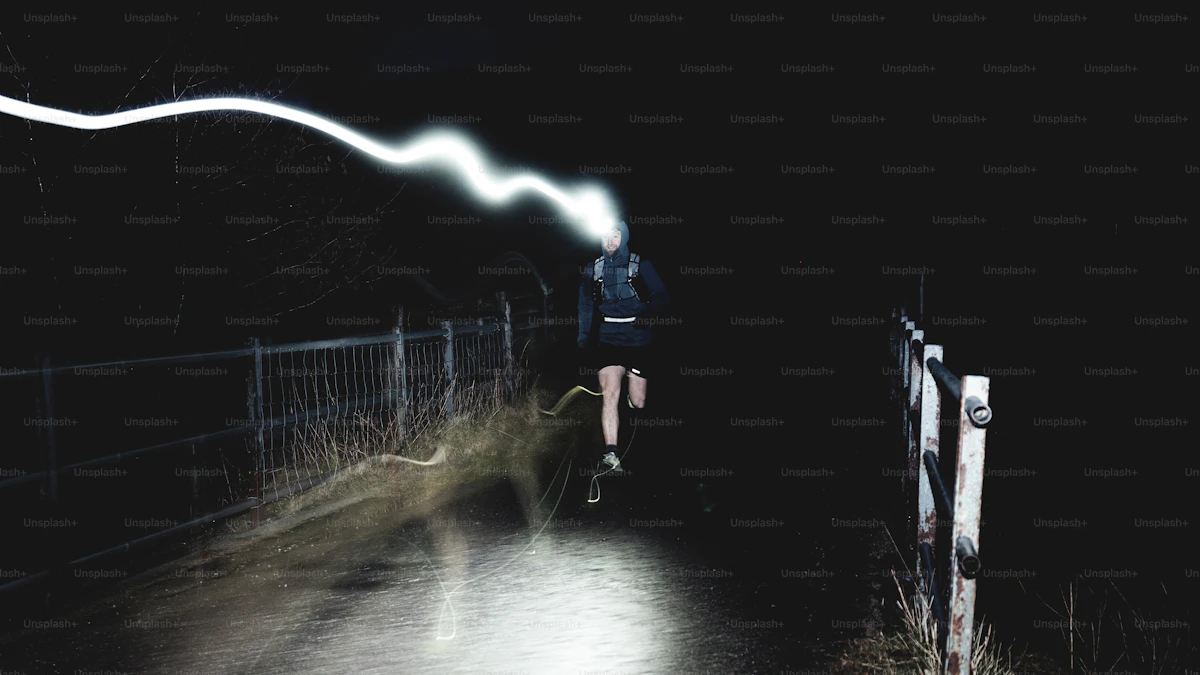
Warm food is not optional in cold night sections. Cold aid station tables full of sweet food will make your nausea worse. Seek out the warm food, even if you have to ask specifically. Good aid stations will have broth or soup at minimum.
Cola deserves special mention: flat Coca-Cola (shaken, with some bubbles out) is the most effective 3am rescue food in ultras. The combination of sugar, caffeine, and phosphoric acid settles upset stomachs in a way nothing else quite replicates. Most major aid stations have it.
Hours 20+: The Last Push
If you've made it 20 hours in, you're going to finish. Your body has found its rhythm, daylight is coming (or has arrived), and your appetite may actually return slightly.
Target: 150–200 calories per hour. Keep eating even if you feel okay.
- Return to gels if you can tolerate them — you're in the final stretch
- Solid food at aid stations
- Keep up with salt tabs
- Coffee at dawn aid stations — if you've been avoiding caffeine, this is the time to use it
Don't stop eating because you think you're almost done. Many runners fall apart in the final 20 miles because they see the finish line and stop fueling. Mile 80 is not the finish. Keep eating.
The Pre-Race Prep Nobody Talks About
Train your gut. Every long training run over 3 hours should include the food you plan to eat in the race. Your digestive system is trainable. Runners who can eat real food at mile 70 have practiced eating real food at mile 20 of their long runs.
Build your drop bag nutrition kit around your specific weak points. If you know you get nauseous after hour 10, load that drop bag with ginger and warm options. If you know you crave salty food at night, pack extra salt tabs and savory snacks.
Nothing new on race day — the oldest rule in endurance sports. If you've never eaten ramen at 3am during a training run, don't count on it working during a race.
Quick Reference
| Hours | Target Cal/hr | What Works |
|---|---|---|
| 1–6 | 200–300 | Gels, chews, sports drink, banana, PB&J |
| 6–12 | 150–250 | Potatoes, real food, broth, watermelon |
| 12–20 | Whatever you can | Broth, cola, ramen, ginger, warm food |
| 20+ | 150–200 | Mix of above, coffee at dawn |
The runners who finish 100-milers aren't the ones with the best legs. They're the ones who kept eating when eating felt impossible.