 Ultra Running Hub
Altitude Training for Mountain Ultras
How altitude affects ultra performance, when to arrive early vs. train high, and the gear changes you need above 2,500m.
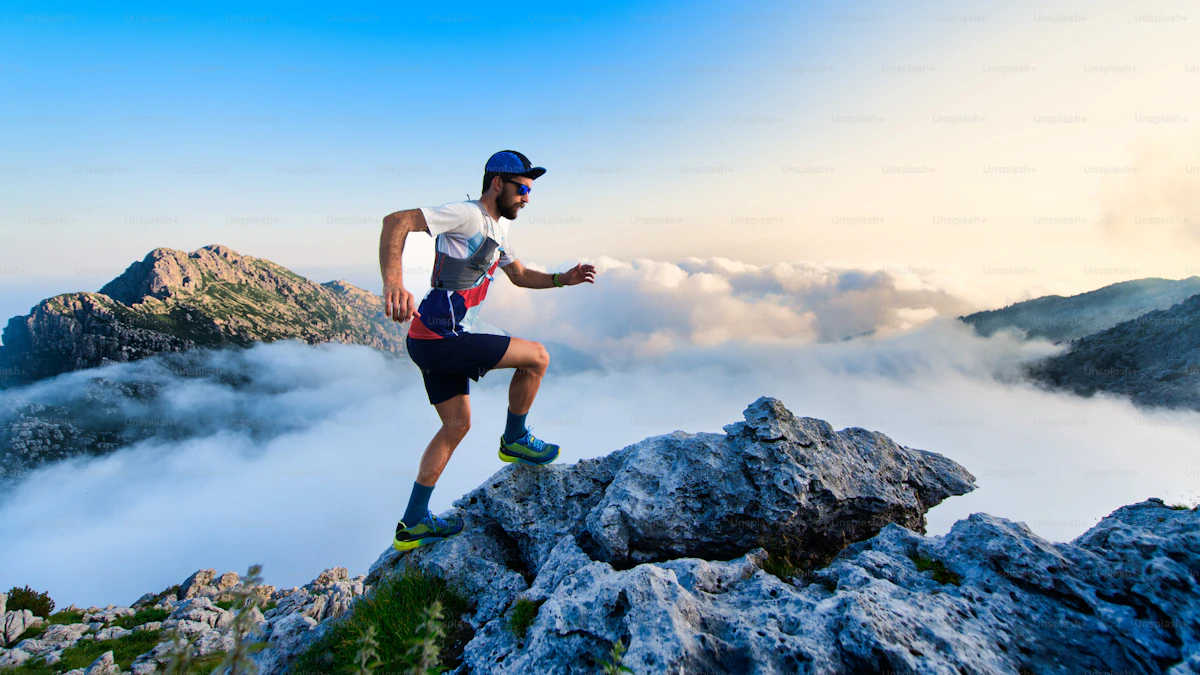
If you've ever run at sea level and then tried to race a mountain ultra above 8,000 feet, you already know: altitude doesn't care about your fitness. Runners who cruise through 100-mile flat courses will find themselves gasping at a pace they'd normally walk at when the course goes above 2,500 meters. Understanding altitude — and preparing for it — is one of the biggest edges you can give yourself in mountain ultra running.
What Altitude Actually Does to You
The air at 3,000 meters (roughly 10,000 feet) has about 30% less oxygen than at sea level. Your body compensates in several ways, and none of them are pleasant in the short term:
- Heart rate spikes. Your heart pumps faster to move the same amount of oxygen. An easy Zone 2 effort at sea level becomes Zone 3 or higher at altitude.
- Breathing rate increases. You'll feel winded at paces that normally feel effortless.
- Sleep quality plummets. For the first 2–3 nights at altitude, your sleep will be fragmented. Some people experience periodic breathing — your body essentially forgets to breathe for a few seconds, then gasps.
- Dehydration accelerates. The air is drier at altitude, and you lose more water through respiration. Most runners underestimate how much more fluid they need.
- Appetite decreases. This is the sneaky one. You need more calories at altitude because your metabolism increases, but you feel less hungry. If you don't force yourself to eat, you'll start the race already in a calorie deficit.
Full acclimatization takes 2–3 weeks. Your body produces more red blood cells, your breathing becomes more efficient, and your heart rate returns closer to normal. But most of us don't have three weeks to spend at altitude before a race.
The Arrive-Early Strategy
If you can get to altitude 10–14 days before your race, you'll capture most of the acclimatization benefits. Your body starts producing additional red blood cells within 48 hours, and the process accelerates over the first two weeks.
The 10-day plan:
- Days 1–3: Easy walking and very light jogging. Your body is working hard just to adapt. Don't add training stress on top of altitude stress.
- Days 4–7: Resume easy running. Keep everything in Zone 1–2 by heart rate, even if the pace feels absurdly slow.
- Days 8–10: A few short efforts at race pace to calibrate your effort level. Not a full workout — just enough to understand what your race pace feels like at this altitude.
- Days 11–14: Taper. Easy runs, full rest days, pre-race prep.
If you can only arrive 3–5 days early, you'll get some benefit but you'll still feel the altitude on race day. Arrive at least 48 hours before your race — no exceptions. Flying in the day before a mountain ultra is a recipe for disaster.
The Arrive-Late Strategy
Here's the counterintuitive option: if you can't arrive 10+ days early, arrive as late as possible. Ideally 12–24 hours before the race.
The reasoning is simple. Altitude sickness and performance degradation are worst on days 2–4 after arrival. If you arrive the afternoon before a morning start, you'll race before the worst effects hit. You'll still feel the reduced oxygen, but you won't have the headache, nausea, and fatigue that peak around day 3.
This is the strategy many elite mountain runners use when they can't pre-acclimatize. It's not ideal, but it's better than arriving three days early and racing at the bottom of the altitude sickness curve.
Training at Sea Level for Altitude
If you live at sea level, you can still prepare:
Heat training transfers partially. Training in heat stresses your cardiovascular system in ways that overlap with altitude stress. Your body increases plasma volume, improves cooling efficiency, and becomes more resilient to cardiovascular strain. Sauna sessions (20–30 minutes post-run, 3–4 times per week for 3+ weeks) provide measurable benefits.
Altitude masks are mostly useless. They restrict airflow, which strengthens your breathing muscles, but they don't reduce the oxygen concentration you're breathing. They simulate breathing through a straw, not being at altitude. The physiological adaptations are completely different.
Altitude tents actually work. Sleeping in a hypoxic tent that simulates 8,000–9,000 feet for 6–8 weeks before your race produces real acclimatization. The downsides: they cost $2,000–4,000, they're noisy, and your sleep quality drops significantly for the first few weeks. But if you're targeting a serious mountain ultra and can't pre-acclimatize, this is the most effective sea-level option.
Vertical training is non-negotiable. Even if you can't simulate the oxygen environment, you can prepare for the climbing. If your race has 20,000 feet of elevation gain, your legs need to be ready for that. Stair repeats, treadmill incline work, parking garage laps — find vertical gain wherever you can.
Gear Changes Above 2,500 Meters
Mountain ultras at altitude demand gear adjustments:
- Hydration increases 30–50%. If you'd normally carry 1 liter between aid stations, carry 1.5. If the stations are far apart, carry 2.
- Sun protection is critical. UV exposure increases roughly 10% per 1,000 meters of elevation. At 3,500 meters, you're getting 35% more UV than at sea level. High-SPF sunscreen, a hat with a brim, and arm sleeves aren't optional.
- Temperature swings are extreme. A mountain ultra might start at 50 degrees F and hit 85 at the exposed ridgeline, then drop to 35 after sunset. Layering systems become essential: a breathable base layer, a lightweight wind jacket, and a packable insulated layer for night.
- Trekking poles become standard equipment. Above 2,500 meters, the climbs are usually steep enough that poles save your quads significant damage. If the race allows them, use them.
Pacing at Altitude
The biggest race-day mistake is pacing to your sea-level fitness. You need to recalibrate completely.
- Pace by heart rate, not by speed. If your Zone 2 ceiling is 145 bpm, stay under 145 bpm even if you're running 3 minutes per mile slower than usual.
- Hike earlier and more aggressively. At sea level, you might run everything under 15% grade. At altitude, start hiking at 10% or even 8%.
- Expect the first 3–4 hours to feel worse than they should. If you started at altitude (rather than climbing into it), your body is still adjusting. Don't panic. Settle in.
- The higher sections will feel disproportionately hard. A race that tops out at 4,000 meters will feel dramatically harder at the top than at the 2,500-meter start. Budget extra time and energy for high-altitude sections.
The Honest Truth
Altitude is a great equalizer. Runners with massive VO2max numbers at sea level see their advantage shrink at altitude because everyone is oxygen-limited. If you're a mid-pack runner who acclimatizes well, you can absolutely outperform faster runners who didn't prepare.
Do the homework. Get to altitude early if you can. Pace conservatively. Hydrate aggressively. The mountain doesn't care about your PR — but it rewards the runners who respect the environment.