 Ultra Running Hub
Crew and Pacing Guide for Ultra Races
How to recruit, brief, and manage a crew for 100-mile races — plus pacing strategy, aid station timing, and what your crew actually needs to know.
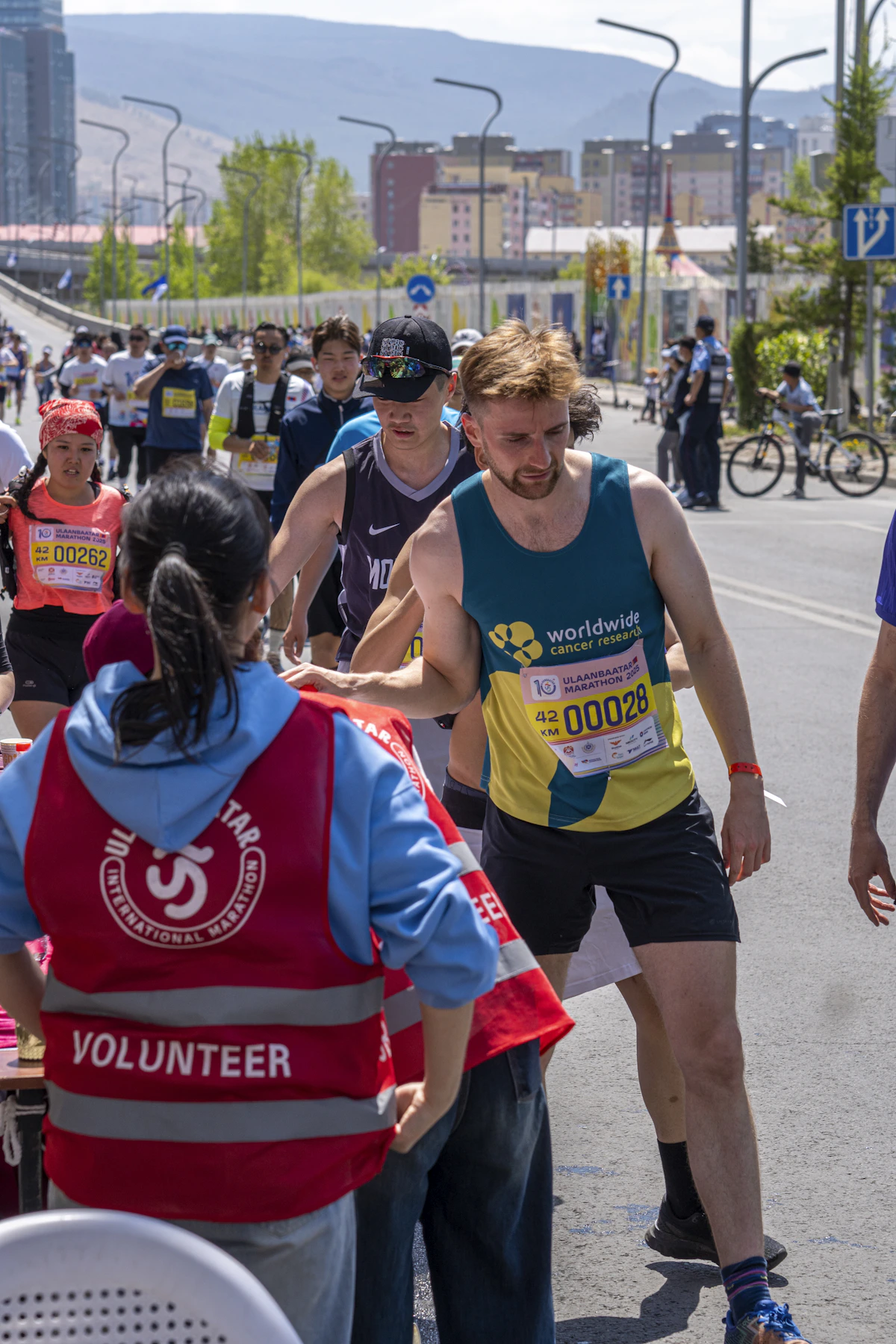
A great crew can save your race. A bad crew — or no crew — can end it. In 100-mile races, the difference between a finisher and a DNF often comes down to what happens during the 3–5 minutes at each crew-accessible aid station. Those minutes matter more than any single training run.
Here's how to build and manage a crew that actually helps you finish.
Who to Recruit
Your crew doesn't need to be runners. In fact, the best crew members I've seen have been non-runners who are organized, patient, and good under pressure. What you need:
- Someone who can stay calm when you look terrible. At mile 60, you will look like a corpse with a headlamp. Your crew needs to assess your actual condition, not panic at your appearance.
- Someone who can follow instructions. You'll create a detailed plan. They need to execute it, not freelance.
- Someone who can make decisions when you can't. Paradoxically, you also need someone who knows when to override the plan — when the runner who refuses to eat clearly needs food, or when the scheduled shoe change is obviously the right call even though you're insisting it's not.
- 1–2 people for a 100K, 2–3 people for a 100-miler. More than 3 creates confusion. Designate one person as the crew chief with final decision-making authority.
Family and significant others can be excellent crew members, but only if they can handle seeing you suffer without trying to make you stop. If your partner's instinct is going to be "you should drop, you look awful," have a direct conversation before race day about what quitting criteria actually look like versus what normal ultra suffering looks like.
The Crew Briefing
Schedule a 30-minute briefing at least one week before the race. Cover:
The logistics:
- Course map with crew-accessible aid stations marked
- Driving directions between crew access points (races often provide these)
- Estimated arrival times at each station (provide a range: "best case" and "realistic" times)
- Parking information and any crew access restrictions
The plan for each aid station:
- What food and drink you want
- Any gear changes scheduled (shoes, socks, shirt, headlamp)
- Drop bag contents and which bag goes where
- Time target: how long you plan to be at each station (usually 3–5 minutes)
The medical plan:
- What problems you can run through (blisters, nausea, fatigue)
- What problems require real intervention (severe cramping, altered mental status, inability to keep anything down for 2+ hours)
- What problems mean you stop (signs of rhabdomyolysis, chest pain, injury that changes your gait significantly)
Print all of this out. At 2 AM, your crew will not remember your verbal instructions from last Tuesday. Give them a laminated card for each aid station listing exactly what to have ready.
Aid Station Protocol
When you arrive at a crew-accessible aid station, your crew should already have everything laid out. The ideal sequence:
- Bottles first. Hand you fresh, filled bottles while you're still walking in. You hand off your empties.
- Food ready. Your next round of calories should be in a ziplock bag, ready to go into your vest. Not scattered across a table.
- Assessment. One crew member asks: "How's your stomach? How are your feet? What do you need?" Keep it to three questions. Don't overwhelm a fatigued runner with conversation.
- Gear changes if scheduled. Sock change, shirt change, headlamp swap — whatever the plan calls for.
- Get out. Your crew's final job is to send you back on the trail. "You look strong. See you at mile 75." Don't linger.
The target is 3–5 minutes. Time it. Every minute over 5 is a minute where your muscles are cooling, stiffening, and making it harder to start running again.
What Your Crew Actually Needs
Crewing is a 20–30 hour endurance event for your support team. They need:
- A vehicle with enough space to organize gear. The trunk of a sedan doesn't cut it. An SUV or van where they can spread out your bins is ideal.
- Their own food and water. This sounds obvious, but I've seen crews so focused on the runner that they forget to eat. A dehydrated, hangry crew member makes bad decisions.
- Entertainment for the wait. They'll be sitting in a parking lot for hours between your arrivals. Books, a phone charger, a camping chair.
- Warm clothes and rain gear. They're outside at 3 AM too. If they're cold and miserable, their support quality drops.
- Clear expectations about sleep. In a 100-miler, someone on your crew needs to be awake at all times. If you have 2–3 crew members, they should rotate naps. Nobody should drive between aid stations sleep-deprived.
Pacing Strategy
Most 100-milers allow pacers for the second half — typically from mile 50 or 60 onward. A good pacer is one of the biggest advantages you can have.
What a pacer should do:
- Set the pace. Run slightly ahead and let the runner follow. A pacer who runs behind is useless — you need someone pulling you forward, not watching you struggle.
- Manage nutrition. "When did you last eat? Have some broth at the next station." A fatigued runner forgets to eat. The pacer reminds them every 20–30 minutes.
- Navigate. In the dark, on tired legs, runners miss trail markers. The pacer watches for markers, checks the course map, and prevents wrong turns that add demoralizing miles.
- Gauge effort honestly. "You're moving well" when the runner is moving well. Silence or gentle encouragement when they're not. Don't lie — a runner at mile 70 can tell when you're lying, and it destroys trust.
- Talk when wanted, shut up when not. Ask early: "Do you want me to talk or just run?" And be ready for the answer to change every 30 minutes.
What a pacer should NOT do:
- Push the runner past their limits. Your job is to help them finish, not set a PR. If they need to walk, walk with them.
- Complain. About the cold, the trail, your tired legs, the distance remaining. You signed up for this. Your suffering is irrelevant.
- Make decisions about dropping. That's the runner's call, supported by crew. Pacers provide encouragement, not medical opinions.
Splitting Pacing Duties
If you have multiple pacers, split them by section:
- Pacer 1: Miles 50–75. This is the grind section. Your first pacer should be your most experienced runner — someone who can manage the nutrition decline, the mood swings, and the death march that usually hits around mile 65–75.
- Pacer 2: Miles 75–100. This is the home stretch. Your second pacer should be your most enthusiastic friend — someone who radiates energy and makes the last 25 miles feel like a victory lap, even when it's still brutally hard.
Brief your pacers the same way you brief your crew. They need to know the course, the aid station locations, your nutrition plan, and your warning signs.
When Things Go Wrong
Plans fall apart in every 100-miler. Here's how to adapt:
- You're behind schedule. Your crew recalculates ETAs and adjusts. They don't remind you how far behind you are — that's demoralizing and useless. They just show up at the right time with the right gear.
- You can't eat. Your crew switches to Plan B nutrition: broth, ginger ale, small sips of cola, whatever you've identified as your fallback fuel. They don't panic.
- You want to drop. Your crew acknowledges that you feel terrible, reminds you of the 20-minute rule, makes you eat something, and gently pushes you back on the trail. If you still want to drop 30 minutes later and your condition is declining, they support that decision.
- Weather changes. Your crew has your warm layers, rain gear, and spare headlamp ready without being asked. Proactive crews finish races.
The Final Truth
Crewing and pacing well requires empathy, preparation, and the ability to be both supportive and demanding. The best crew isn't the one that makes you most comfortable — it's the one that keeps you moving.
Find people who care about you enough to push you when you want to quit, and organized enough to have your food ready when you stumble in at 3 AM. That combination is worth more than any training plan.