 Ultra Running Hub
The Ultimate Drop Bag Checklist
What goes in each drop bag, what stays out, and the items most runners forget until it's too late.
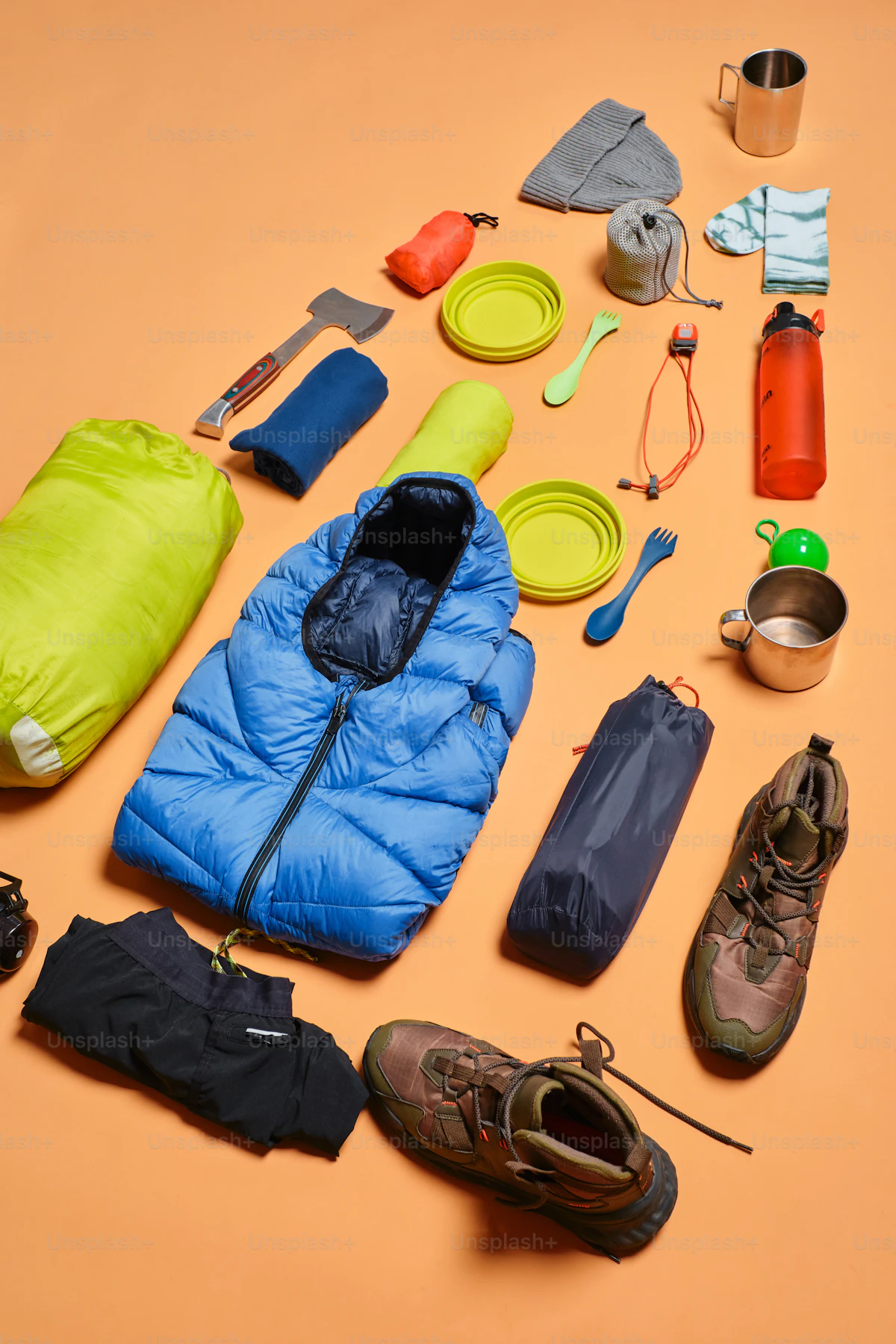
Drop bags are time machines. You're packing them on Friday night when you feel great, for a version of yourself at mile 50 who can barely think straight. The gap between those two mental states is enormous, and it's why most runners pack their drop bags wrong.
Here's how to pack drop bags that actually help you when you need them most.
The Fundamental Rule
Everything in your drop bag should be accessible in under 60 seconds. That means: clear ziplock bags, labeled by purpose, arranged so you can grab what you need without dumping the entire bag on the ground.
At mile 62 of a 100-miler, you will not have the mental bandwidth to sort through a tangled mess of gear. You'll grab the first thing you see, shove some food in your vest, and leave. If the thing you actually need is buried at the bottom, you'll never find it.
The Base Kit (Goes in Every Drop Bag)
These items should be in every single drop bag, no exceptions:
- Calories you've tested in training. 500–800 calories of food you know works. Not the stuff the aid station provides — your proven fuel.
- Electrolyte capsules. At least 4–6 caps per bag. Salt depletion sneaks up on you.
- Body glide or anti-chafe cream. Re-apply at every drop bag opportunity. The chafing you ignore at mile 30 becomes an open wound at mile 70.
- A gallon ziplock bag for trash. You'll have wrappers, empty gel packets, and used blister tape. Having a trash bag keeps your drop bag organized for the next time you hit it.
- Ibuprofen and antacids. Two ibuprofen (taken sparingly — no more than twice in 100 miles). Two antacid tablets. Label them.
- A handwritten note from yourself. Sounds cheesy. Works. Write it when you're packing: "You've trained for this. Eat something. Keep moving." At 3 AM when you're questioning everything, these words matter more than any gear.
Drop Bag by Phase
Early Drop Bag (Miles 20–35)
You probably don't need much here. You're still running well, your gear is working, and you haven't been out long enough for things to fall apart.
- Fresh bottles of your preferred drink mix (pre-mixed, not powder you'll struggle to mix)
- Replacement calories for your vest
- Extra pair of socks if the course has early water crossings
- Sunscreen if it's a daytime race
Keep this bag lean. You don't want to be tempted into a gear overhaul this early.
Mid-Race Drop Bag (Miles 35–60)
This is your most important drop bag. You're deep enough that problems are real, but you still have a long way to go.
- Fresh socks. Non-negotiable. Even if your feet feel fine, change them. Dry socks prevent blisters.
- Foot care kit: moleskin pre-cut into strips, medical tape, alcohol wipes, a small tube of trail toes or similar balm. Package it all in one labeled ziplock.
- A complete change of shirt. Dried sweat salt will saw through your skin over 50+ miles.
- Headlamp with fresh batteries if you'll be entering the night section soon.
- Savory food. By mile 40, sweet food makes most runners nauseous. Pack: jerky, salted potatoes in a bag, pretzels, cheese crackers, ramen packets (many aid stations have hot water).
- Caffeine. Caffeine pills (100mg each) or caffeinated gels. Don't deploy these until after mile 50 unless you're racing in the heat and need alertness earlier.
Late-Race Drop Bag (Miles 60–80)
By now, you're a different person. Your cognitive function is reduced. Your fine motor skills may be compromised. Pack accordingly.
- Everything pre-opened or easy to open. Don't make mile-70-you fight with packaging.
- Warm layers if temperatures are dropping: a lightweight fleece or insulated jacket, arm sleeves, thin gloves, a buff.
- A second headlamp. Batteries die. Headlamps malfunction. Having a backup isn't paranoia — it's basic risk management.
- Ginger chews or ginger ale. Nausea is almost universal in the late miles. Ginger actually helps.
- Extra caffeine. The death march between mile 65 and 80 is where races are won and lost. Strategic caffeine gets you through.
- Trekking poles if the course allows them and you've trained with them. Your quads will thank you on late-race climbs.
What NOT to Put in Drop Bags
- Your phone charger. You won't remember to grab it back. Leave it with your crew.
- Gear you haven't tested. Your drop bag is not the place to try new shoes, a different vest, or an untested food. Everything should be proven in training.
- Too many options. Decision fatigue is real at mile 50. Three food choices, not fifteen. One backup shirt, not three.
- Anything fragile. Drop bags get thrown around. Assume your bag will be upside down in a pile of 200 other bags in the rain.
The Items Most Runners Forget
After crewing, pacing, and running dozens of ultras, these are the things I see people desperately wishing they'd packed:
- A small towel or bandana. For wiping sweat, cleaning mud off your face, or wrapping around your neck when it's hot.
- Vaseline. For feet, thighs, and anywhere that's starting to rub. Body glide wears off; Vaseline stays.
- A spare pair of contacts or reading glasses. If you wear corrective lenses, losing one at mile 55 with no backup is a nightmare.
- Ziplock bag for your phone. Rain happens. River crossings happen. Protect your phone.
- Cash. Some ultra finish areas have food vendors. Being able to buy a real meal after 24+ hours of running is worth more than you can imagine.
Pack It, Then Cut It in Half
Lay out everything you want to put in your drop bags. Now remove a third of it. What remains is probably what you actually need.
The best drop bag is one you spend less than three minutes at. Get in, swap your essentials, eat something, and get back on the trail. Every minute spent fiddling with gear is a minute you're not moving toward the finish line.