 Ultra Running Hub
Essential Gear for Your First Ultra Marathon
A no-nonsense guide to the gear that actually matters when you're stepping up from marathons to ultras.
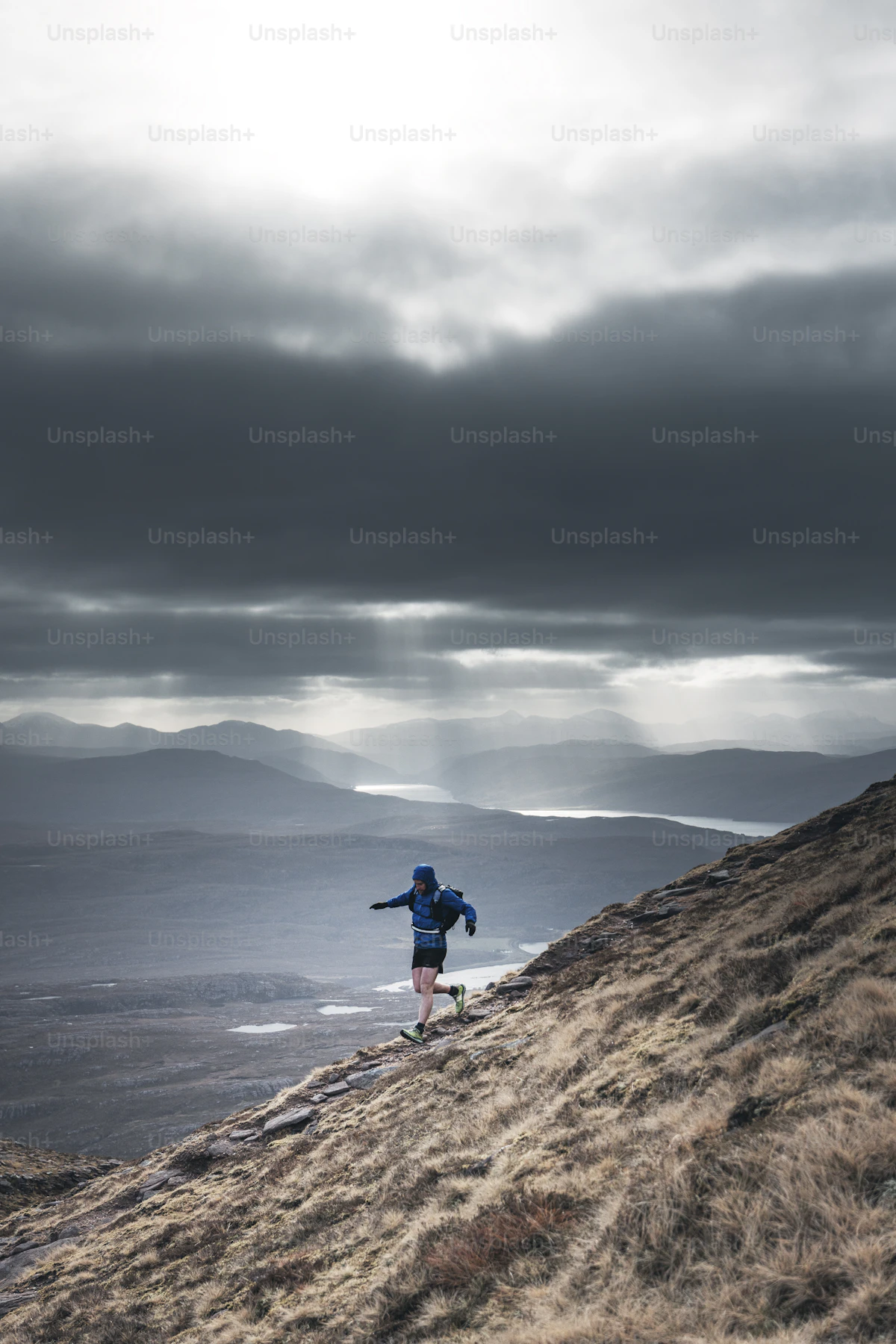
Your first ultra marathon is not a longer marathon. It's a fundamentally different event, and your gear needs to reflect that. Here's what actually matters.
Shoes: The Non-Negotiable
The single most important gear decision you'll make is your shoes. Road marathon shoes won't cut it on trails, and even trail shoes vary wildly depending on terrain.
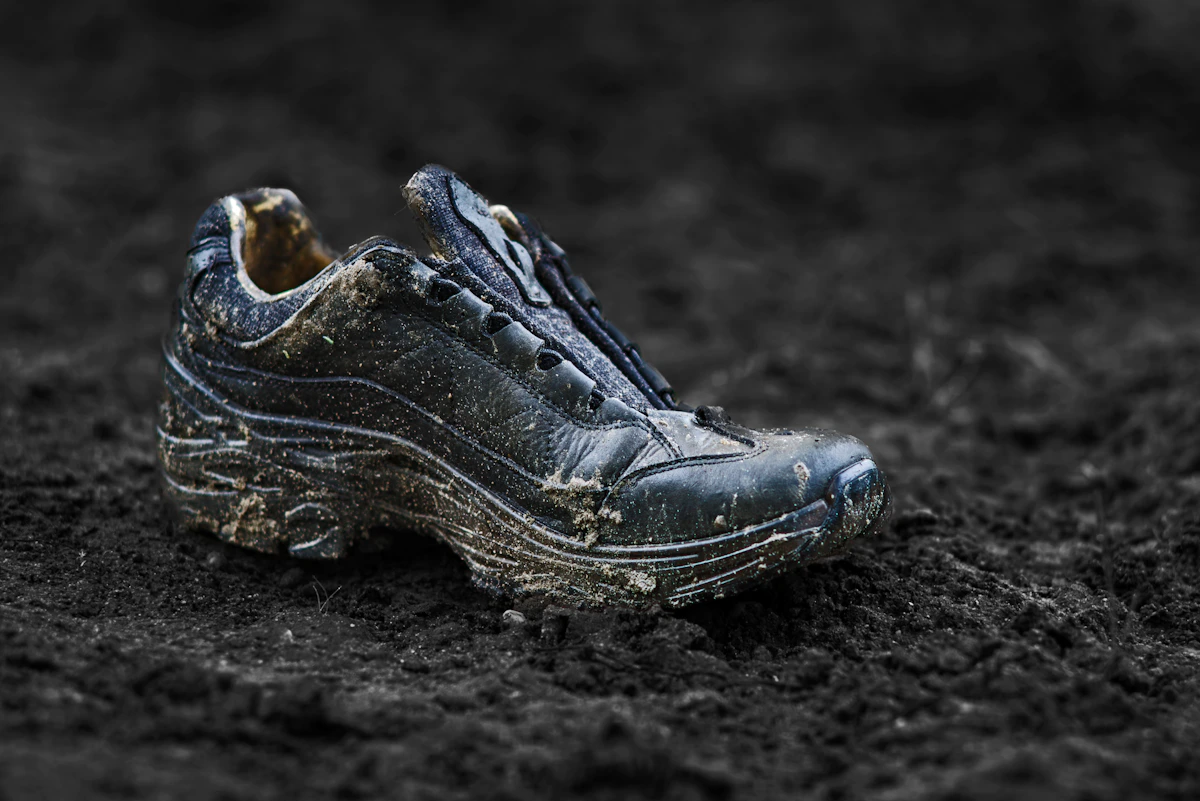
For your first ultra, pick a shoe with:
- At least 4mm lugs for grip on loose terrain
- A rock plate to protect your feet over long distances
- Room in the toe box — your feet will swell 1-2 sizes over 50+ miles
- Drainage — if there's any chance of water crossings, you want shoes that shed water fast
Don't wear brand-new shoes on race day. You need at least 50 miles on them first.
Hydration: Carry Your Own
Unlike road marathons where aid stations appear every mile, ultra aid stations can be 5-10 miles apart. You need to carry your own water.
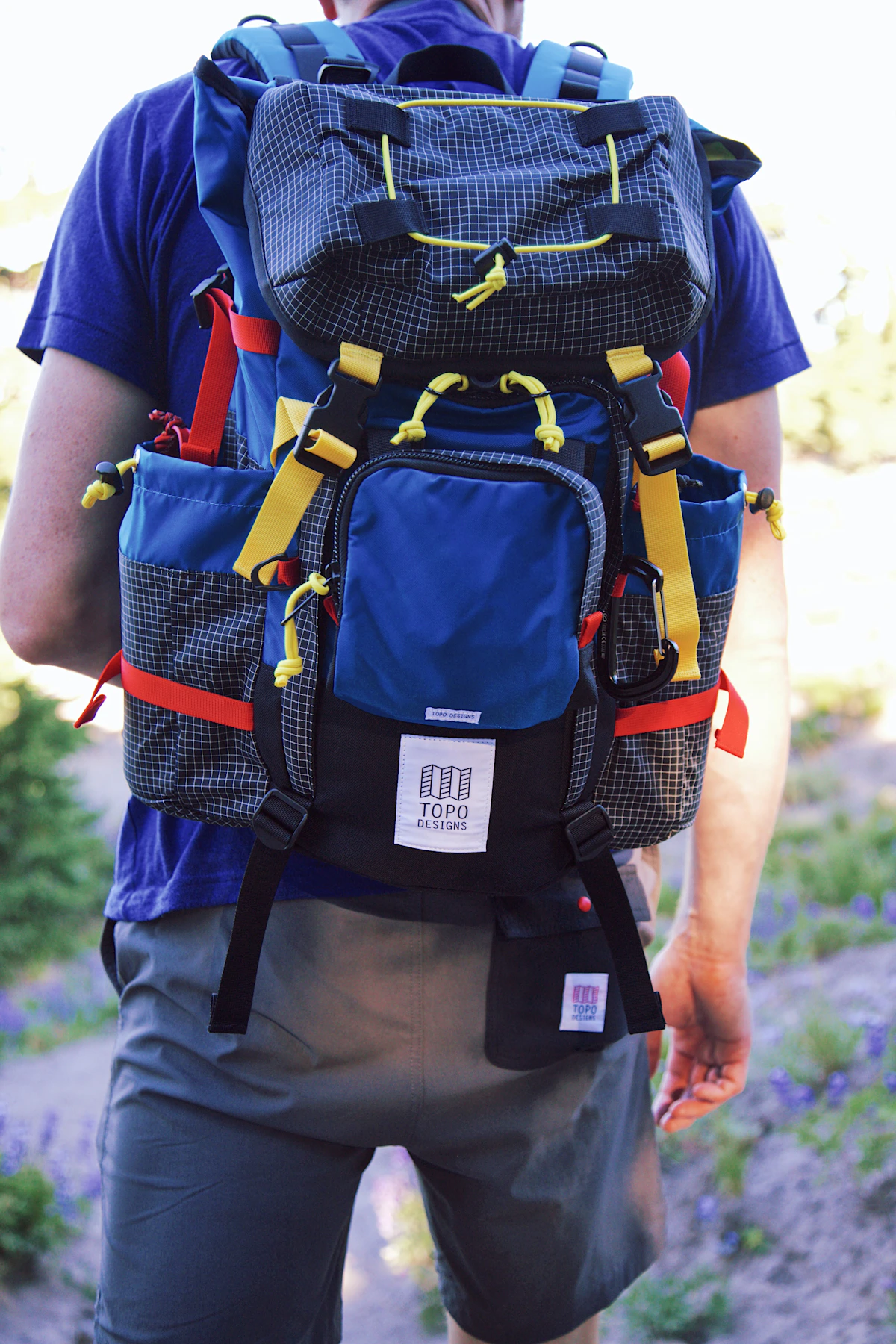
A hydration vest (not a belt, not a handheld) is the standard for ultras. Look for:
- 500ml-1L capacity in soft flasks
- Front pockets for nutrition access without stopping
- A snug fit that doesn't bounce — test this on a long run before race day
Nutrition: More Than Gels
For a marathon, you can survive on gels alone. For an ultra, you need real food. Your stomach will reject pure sugar after 6+ hours.
Pack a mix of:
- Energy gels for the first few hours
- Salted potatoes or boiled baby potatoes
- Nut butter packets
- Cheese and crackers
- Whatever you've trained your gut to tolerate
The golden rule: nothing new on race day. If you haven't eaten it on a long training run, don't eat it during your ultra.
The Rest: Nice to Have
- Headlamp — mandatory for any ultra that could go past sunset
- Emergency bivy — weighs 2oz, could save your life in bad weather
- Trekking poles — game-changer for steep climbs, but practice with them first
- Body glide or anti-chafe cream — apply everywhere. Trust me.
The Minimalist Approach
Don't overthink it. The runners who DNF their first ultra rarely do so because of gear. They DNF because they went out too fast, didn't eat enough, or didn't train their hiking muscles.
Get the shoes right, carry enough water, bring real food, and go have an adventure.