 Ultra Running Hub
How to Choose Trail Running Shoes for Ultras
How to pick trail shoes for ultra distances — terrain, cushion, toe box, and the fit issues that end races early.
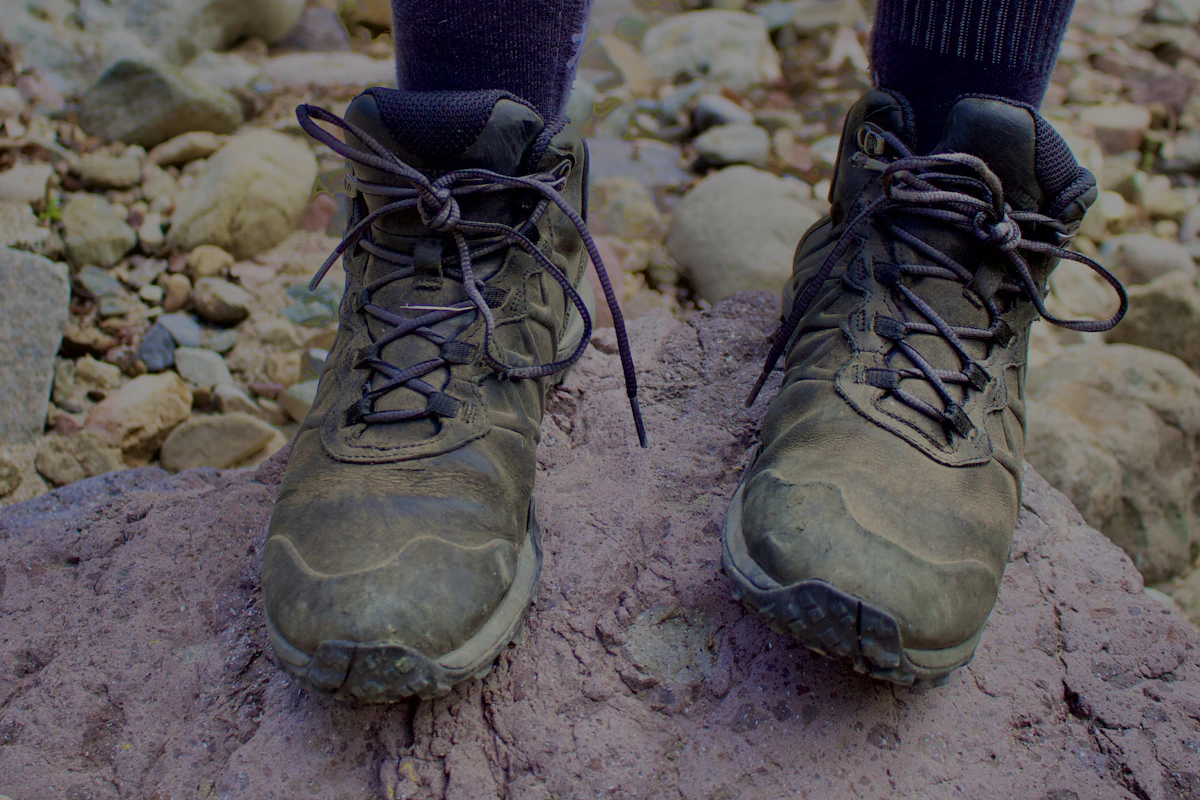
Your trail shoes are the single most important piece of gear in ultra running. Not your vest, not your nutrition plan, not your GPS watch. Your shoes. A bad shoe choice at mile zero becomes a race-ending problem at mile 40 — blisters, black toenails, rolled ankles, or quad-destroying impact fatigue.
And yet most runners pick trail shoes the same way they pick road shoes: they read a few reviews, buy whatever's popular, and hope for the best. Ultra distances are less forgiving. Here's how to actually choose.
Terrain Dictates Everything
Before you think about brand, model, or color, answer one question: what surface are you running on?
Smooth, packed dirt trails: You need minimal lug depth (3–4mm) and a shoe that feels closer to a road shoe. Deep lugs on packed trails are wasted weight and reduce ground feel. Think of these as road shoes with a little extra grip and a rock plate.
Rocky, technical terrain: You need a rock plate (a stiff insert in the midsole that prevents sharp stones from bruising your foot), moderate lugs (4–5mm), and a more protective upper. Your foot will be landing on unpredictable surfaces all day — the shoe needs to handle that without transferring every sharp edge to your sole.
Mud and wet grass: Deep lugs (5–7mm), widely spaced so they shed mud instead of packing it in. A shoe with shallow, tightly packed lugs in mud is basically an ice skate. This is where fell-running style shoes excel.
Mixed terrain (which is most ultra courses): This is the hard one. You need a compromise shoe — moderate lugs, reasonable protection, and enough versatility to handle everything from road sections to rocky singletrack. Most runners end up here, and the best approach is to bias toward the terrain you'll spend the most time on.
The Cushion Question
This is where ultra running diverges sharply from shorter trail runs. On a 10-mile trail run, a minimal shoe with 15mm of stack height feels great — fast, responsive, connected to the ground. Run 50 miles in that same shoe and your feet, knees, and quads will be destroyed.
For ultras over 50K, you want 25–33mm of stack height. This isn't about comfort at the start. It's about having padding left at mile 60 when the midsole foam has compressed and your feet have been pounding for 10+ hours.
That said, more cushion isn't always better. Shoes with 35mm+ of stack height can feel unstable on technical terrain. The higher your foot sits off the ground, the easier it is to roll an ankle on a root or rock. There's a sweet spot, and for most ultra runners on mixed terrain, it's in the 28–32mm range.
Drop matters less than you think. The heel-to-toe drop (the height difference between heel and forefoot) gets a lot of attention. Most ultra trail shoes are in the 4–8mm range, and the difference between a 4mm and an 8mm drop is negligible over 50+ miles. Pick what feels natural. If you've been running in zero-drop shoes for years, don't switch to an 8mm drop for your first ultra. And vice versa.
Toe Box: The Silent Race-Ender
Your feet swell during an ultra. This is not optional — it's physiology. After 6–8 hours of running, your feet will be a half-size to a full size larger than when you started. If your shoes fit perfectly at the start, they'll be too tight by the halfway point.
Buy your ultra trail shoes a half-size to a full size larger than your road shoes. When you try them on, you should be able to wiggle all your toes freely. There should be a thumb's width of space between your longest toe and the front of the shoe.
Wide toe boxes are non-negotiable for ultras. Shoes that taper to a narrow point compress your toes together, which causes:
- Blisters between toes. Friction from compressed toes rubbing together for 12+ hours.
- Black toenails. Toes jamming into the front of the shoe on downhills.
- Metatarsal pain. The bones in the ball of your foot get squeezed together, causing a deep ache that gets worse with every step.
Some brands are known for generous toe boxes. Others run narrow. Don't trust the label — try the shoe on and assess the actual fit.
Lacing Systems
Most trail shoes come with standard laces. They work fine if you lace them correctly:
- Lock lacing the top two eyelets prevents heel slip without making the forefoot too tight. Your forefoot needs room to swell; your heel needs to stay locked.
- Skip the top eyelet if your ankle feels restricted. Ultra running involves thousands of steps on uneven ground — you need ankle mobility.
- Speed laces (toggle systems) are convenient but can create pressure points over long distances. If your shoe has speed laces and you notice hot spots on the top of your foot after 2+ hours, switch to standard laces.
When to Use Two Pairs
On courses with dramatically different terrain sections, some runners swap shoes at a drop bag. This makes sense when:
- The first 30 miles are rocky and technical, then the last 20 are on fire roads. Start in protective shoes, swap to lighter ones.
- Rain is expected to start mid-race. Start in standard shoes, swap to shoes with aggressive lugs when the trails get muddy.
- You know your feet will swell. Start in your regular-fit shoes and swap to a half-size larger pair at mile 40–50.
The risk: new shoes at mile 40 can introduce hot spots you didn't expect. Only swap to shoes you've run significant miles in during training.
Testing Protocol
Never — and I mean never — wear new shoes on race day. Your testing protocol should be:
- Buy the shoe. Wear it around the house for a few days to check for obvious fit issues.
- Run 5–8 miles on similar terrain to your race. Note any hot spots, pressure points, or rubbing.
- Run a long training run (15+ miles). This is where fit issues actually reveal themselves. Blisters, toe pain, and heel slip don't show up at mile 3.
- Run a back-to-back weekend in them. Day 1 long run, day 2 medium run. The second day — on swollen, tired feet — is the real test.
If the shoe passes all four stages, it's race-ready. If it fails at any stage, try a different shoe. Don't convince yourself that a shoe that gives you blisters at mile 15 will somehow be fine at mile 50. It won't.
The Honest Recommendation
There is no best trail shoe for ultras. There's only the best trail shoe for your feet, on your race course, in your conditions. Ignore what the elites wear — they get free shoes and have different biomechanics than you.
Go to a real running store. Try on six or seven shoes. Run in the ones that feel right. Then put in the training miles to confirm. The boring, methodical approach to shoe selection is the one that gets you to the finish line with your toenails intact.