 Ultra Running Hub
Trekking Poles in Ultras: When to Use Them, When to Leave Them Home
The definitive guide to trekking poles in ultrarunning — when they save your race, when they hurt it, and how to use them correctly.
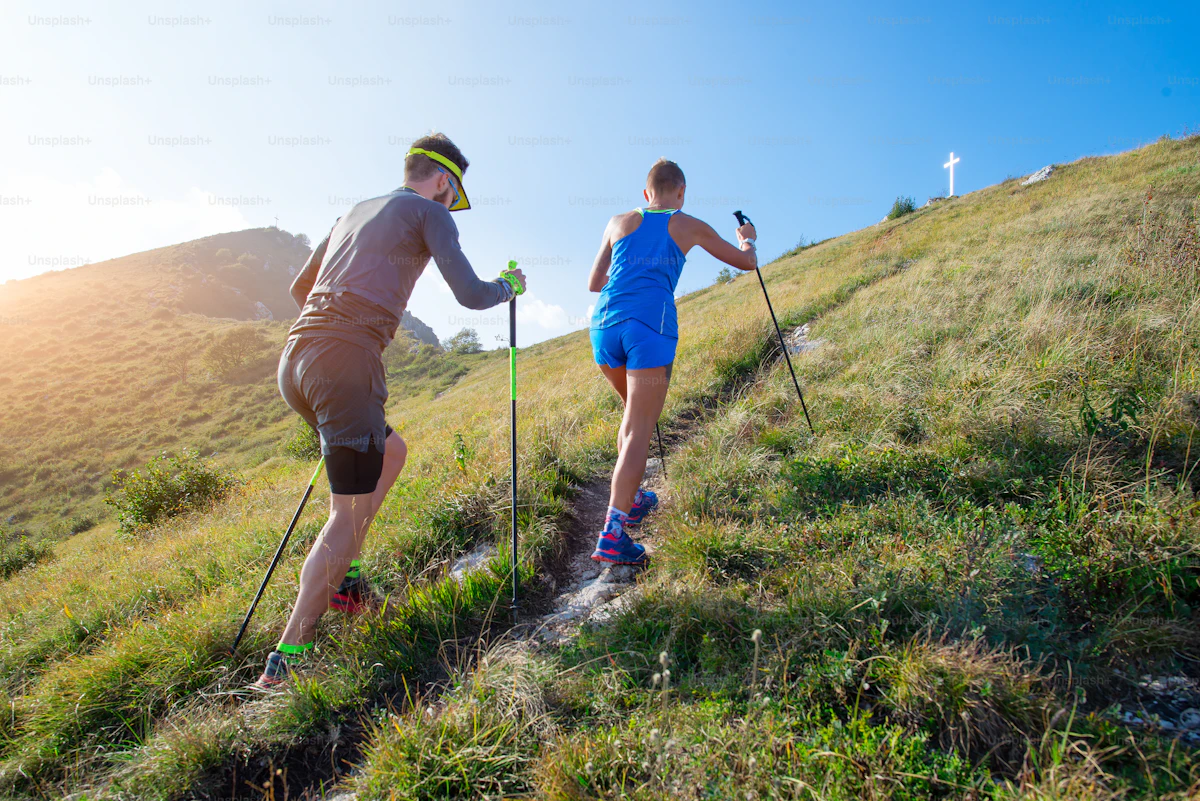
Every ultrarunner eventually faces the poles question. Here's the honest answer: it depends on the race, not your ego.
The Rule
Check your race's elevation profile before anything else. More than 3,000m of gain? Bring poles and practice with them. Less than 3,000m? Leave them home.
Everything else is details.
When Poles Are a Game-Changer
On mountain courses with sustained climbs — think UTMB, Hardrock, Diagonale des Fous, anything with 5,000m+ of elevation — poles aren't optional equipment. They're load-sharing devices.
Pushing through your arms on steep climbs takes 20–30% of the work off your legs. That matters enormously at mile 60 when your quads are already trashed from the first big descent. The energy you save early gets banked for later — when everyone else is walking the flats, you're still running.
The physiological case is well-established: poles reduce muscle damage, lower perceived exertion on climbs, and help maintain form late in a race. On technical descents, they add a third and fourth point of contact when your legs are shaking.
When Poles Hurt More Than They Help
On runnable courses — flat 50Ks, road ultras, desert 100s, anything under 2,000m of vert — poles become a liability.
You're carrying extra weight. You're using energy to swing them. You're preventing your arms from moving naturally for balance and running economy. On a course like Javelina Jundred (2,000m of gain over 100 miles), nobody runs with poles. The terrain doesn't justify them, and you'd be slower.
The common mistake is bringing poles to a flat race because they worked at your last mountain race. Different races, different tools.
The Technique Problem Most Runners Ignore
Poles only help if you use them correctly — pushing straight back, not planting in front of you.
Most first-time pole users plant the tips forward, which does almost nothing except slow you down. The correct motion is a push, not a prop: tip lands roughly level with your lead foot, you drive through and behind your hip, then flick the wrist to recover.
On climbs, shorten the poles by 5–10cm for better leverage. On descents, lengthen them by the same amount.
Practice rule: if you're using poles in a race, you need at least 5 long training runs with them first. Your triceps and shoulders will be destroyed otherwise — muscles you've never trained for this movement pattern. Many runners have DNF'd a race because their shoulders gave out before their legs did.
What to Buy
For ultrarunning, you want collapsible (not twist-lock telescoping) poles that fold down and fit in your vest when you don't need them. You'll stow them on runnable sections and pull them out for climbs.
The two most-used poles on the ultra circuit:
- Black Diamond Distance Carbon Z — ultralight (200g/pair), packs small, preferred choice for UTMB-style races. Carbon breaks on hard impacts; not ideal for rocky technical terrain.
- Leki Micro Trail Pro — slightly heavier (260g/pair), more durable, better basket options for snow. The choice for runners who've snapped carbon poles on rocks.
Weight target: 200–250g per pole is the sweet spot. Heavier than that and the energy cost of swinging them through 50,000+ steps starts to eat into your savings.
Avoid cheap aluminum telescoping poles from big-box stores. The mechanism will loosen mid-race and you'll spend 20 minutes trying to re-lock them at 3am on a mountain.
Drop Bag Strategy
Pack poles in your first drop bag if your race starts on flat terrain and gets technical later. Many ultras have runnable first sections before the major climbs — there's no reason to carry poles for 20 miles before you need them.
If you're running a pure mountain race where you'll use poles from the gun, they go on the vest from the start.
The Mandatory Gear Consideration
Some races list poles as mandatory kit. Some ban them entirely (rare, but it happens). Check your race rules before buying. UTMB series races allow them. Some shorter races in flat regions restrict them for safety in crowded conditions at start lines.
Bottom Line
Poles are a tool, not a identity. The best ultrarunners carry them when the race demands it and leave them home when it doesn't. Check the elevation profile, practice the technique, get the right weight — and stop overthinking it.
If you're running your first mountain 100 with more than 4,000m of gain, bring poles. If you're running a desert 50K, leave them in the car.