 Ultra Running Hub
Post-Ultra Recovery: What the Science Says
What the research says about recovering from 100-mile efforts — optimal rest periods, when to start running again, and the supplements that actually help.
You crossed the finish line. You got the buckle. You ate a burger and slept for 14 hours. Now what?
Post-ultra recovery is where most runners either set themselves up for a long, healthy running career or start the cycle of chronic injury that ends one. The research on recovery from extreme endurance events is growing, and a lot of it contradicts the bro-science that circulates in ultra running circles. Here's what actually works.
What 100 Miles Does to Your Body
Understanding the damage helps you respect the recovery timeline. After a 100-mile race, research shows:
- Muscle damage peaks 24–72 hours post-race. Creatine kinase (a marker of muscle breakdown) can be elevated 10–50x above normal levels. Your muscles have sustained thousands of micro-tears.
- Inflammation is systemic. C-reactive protein and other inflammatory markers spike dramatically. This isn't localized to your legs — it's a whole-body inflammatory response.
- Immune function is suppressed for 3–14 days. Your body redirects resources to repair, leaving your immune system compromised. This is why so many ultra runners get sick in the week after a race.
- Bone stress accumulates. While stress fractures may not be immediately apparent, bone density at impact sites is temporarily reduced. Running on weakened bones is how stress reactions become stress fractures.
- Hormonal disruption is real. Cortisol (stress hormone) is elevated while testosterone and growth hormone are depressed. In women, menstrual cycle disruption is common. These hormonal shifts take 2–4 weeks to normalize.
The First Week: Do Nothing
I mean it. Nothing. No running, no cross-training, no yoga, no "easy jog to loosen up." Your body is in repair mode, and adding any training stimulus — even light movement — diverts resources from recovery.
What you should do in week one:
- Walk. Short, easy walks (15–30 minutes) starting on day 2 or 3. This promotes blood flow without adding mechanical stress. Walk slowly. Walk flat routes.
- Sleep as much as possible. Growth hormone — the primary driver of muscle repair — is released during deep sleep. If you can get 9–10 hours per night in the first week, do it.
- Eat at a caloric surplus. Your body needs building materials. Protein intake should be 1.2–1.6g per kilogram of body weight daily. Don't restrict calories. Eat when you're hungry, and eat real food — not just recovery shakes.
- Hydrate aggressively. Your kidneys processed a massive amount of waste product from muscle breakdown. Help them out with consistent water intake.
Weeks 2–3: Active Recovery
Starting in week two, introduce very light movement:
- Easy walks extending to 30–60 minutes.
- Swimming or pool running. The water supports your body weight while allowing movement. This is the best cross-training option during early recovery.
- Gentle cycling. Low resistance, low duration (20–30 minutes). Not a spin class — actual easy cycling.
- Late in week 2, test a very short, very easy run. 15–20 minutes on flat, soft terrain. If anything hurts beyond normal post-ultra stiffness, stop. You're not ready.
Listen to your body during this phase. Some runners feel ready to run in 10 days. Others need three full weeks before running feels right. Both timelines are normal.
Weeks 4–6: Return to Running
Assuming no injuries or lingering issues, weeks 4–6 are when you rebuild:
- Run every other day. Start with 30 minutes and add 5–10 minutes per run.
- All running is easy pace. Zone 1–2 by heart rate. No tempo runs, no intervals, no races.
- No long runs yet. Keep everything under 60–75 minutes through week 6.
- Monitor for warning signs: persistent soreness in one spot (could indicate a stress reaction), elevated resting heart rate (incomplete recovery), or loss of motivation (possible overtraining syndrome).
The research consistently shows that runners who return to full training too quickly after a 100-miler have higher rates of overuse injury in the following 6 months. Patience now pays dividends later.
Supplements: What the Evidence Supports
The supplement industry loves ultra runners — exhausted, desperate people willing to try anything. Most of it is garbage. Here's what actually has evidence behind it:
Tart cherry juice. Multiple studies show it reduces inflammation markers and muscle soreness after endurance exercise. The effective dose is about 8–12 oz of concentrate twice daily, starting the day after the race and continuing for 5–7 days. It's not magic, but the anti-inflammatory and antioxidant effects are measurable.
Omega-3 fatty acids. Fish oil at 2–3g daily helps resolve inflammation through a different pathway than NSAIDs. Unlike ibuprofen, omega-3s don't interfere with muscle repair — they actually support it.
Vitamin D. If you're deficient (and many endurance athletes are), vitamin D supplementation supports bone repair and immune function. Get your levels tested. If you're below 40 ng/mL, supplement with 2,000–4,000 IU daily.
Protein supplementation. If you can't hit 1.2–1.6g/kg through whole food alone, a protein shake fills the gap. Whey protein post-exercise has the strongest evidence for muscle repair, but any complete protein source works.
What doesn't work (or may be harmful):
- High-dose antioxidant supplements (vitamin C, vitamin E). Paradoxically, mega-dosing antioxidants can blunt the adaptive response to exercise. Your body's inflammatory response is part of the repair process. Don't suppress it.
- NSAIDs (ibuprofen, naproxen) as a recovery strategy. They reduce pain but also impair muscle repair, stress bone healing, and damage your gut lining when used chronically. Use them sparingly for acute pain, not as a daily recovery aid.
- BCAAs. If you're eating adequate protein, branched-chain amino acids add nothing. They're expensive protein fragments. Just eat protein.
Compression and Cold Therapy
Compression garments have modest evidence for reducing perceived soreness, though the effect on actual recovery markers is mixed. If they feel good, wear them. They won't hurt.
Ice baths and cold water immersion have been largely debunked as recovery tools. While they reduce perceived soreness temporarily, they appear to blunt the adaptive response to training — similar to high-dose antioxidants. Save cold therapy for acute injury management, not routine recovery.
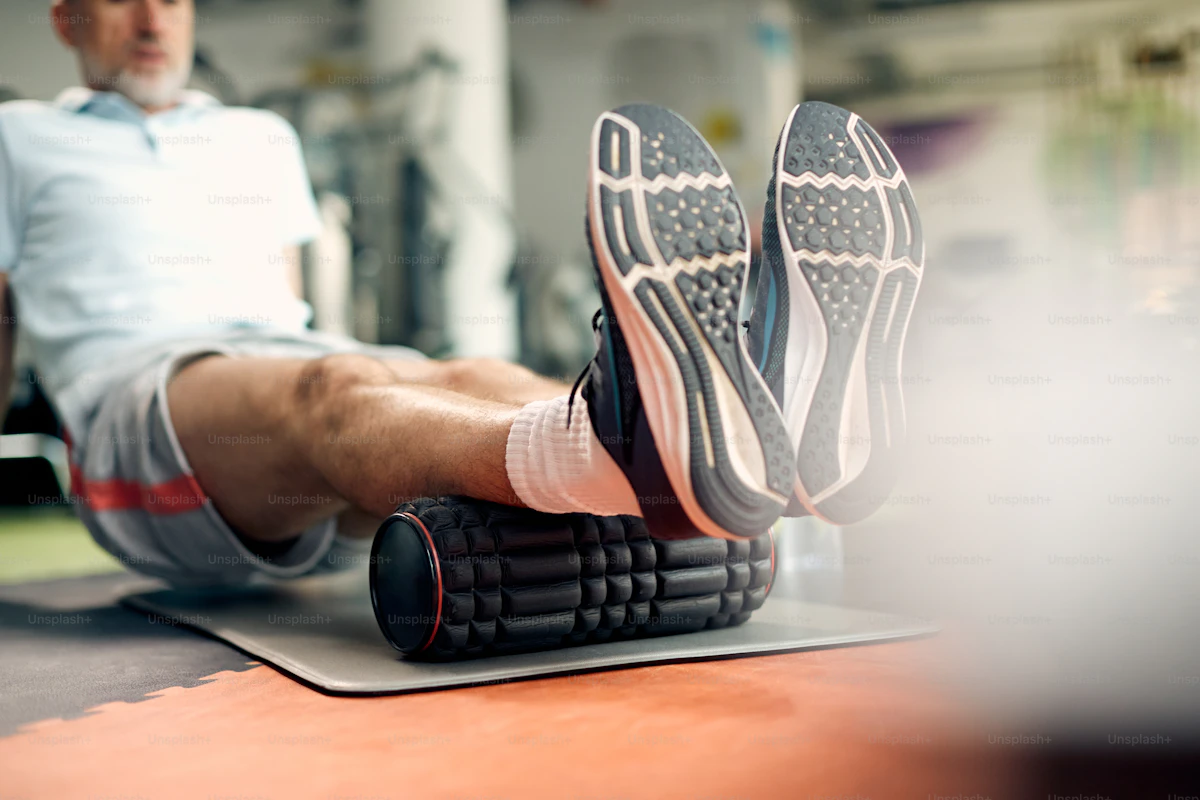
Massage and foam rolling help with perceived recovery and may improve range of motion. The mechanical effects on muscle repair are minimal, but the neurological benefits (reduced muscle tension, improved movement quality) are real. A professional sports massage in week 1–2 is a worthwhile investment.
The Longer Timeline
Full physiological recovery from a 100-mile race takes longer than most runners want to admit:
- Muscle recovery: 4–6 weeks
- Tendon and ligament recovery: 6–8 weeks
- Bone remodeling: 8–12 weeks
- Hormonal normalization: 2–4 weeks
- Full return to peak fitness: 8–12 weeks
This means that signing up for another 100-miler 6 weeks after your last one is asking for trouble. Most experienced ultra runners space their 100-mile efforts at least 3–4 months apart, and many do only one or two per year.
Your body adapted to run incredible distances. Now give it the time it needs to rebuild. The runners who last decades in this sport aren't the ones who race the most — they're the ones who recover the smartest.