 Ultra Running Hub
Optimizing Nutrition for Desert Ultra Marathons
Master the art of desert fueling with our comprehensive guide to hydration, electrolyte balance, and heat-adapted digestion for ultra runners.
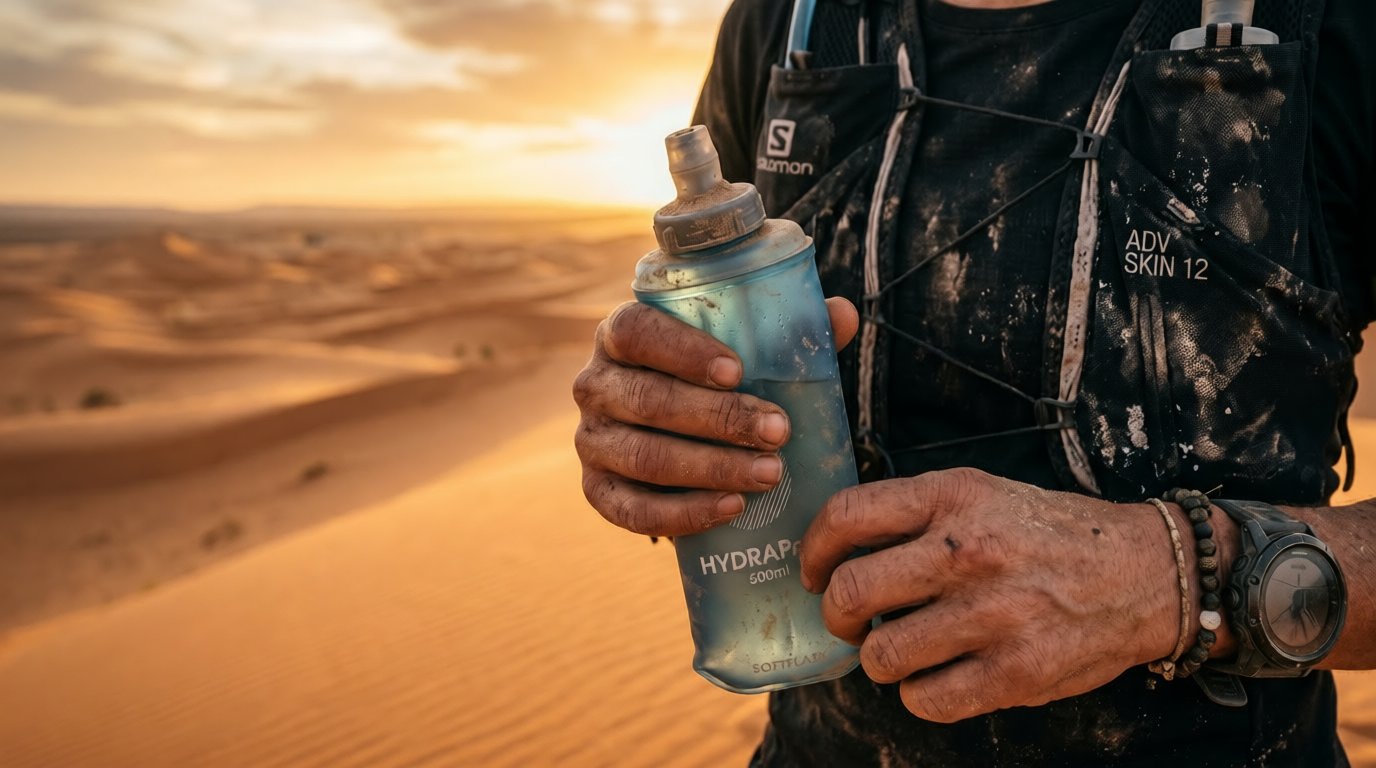
Fueling the Fire: The Science of Desert Nutrition
Running an ultra marathon in the desert is not just a race against the clock; it's a physiological battle against heat, dehydration, and electrolyte depletion. When temperatures soar above 40°C (104°F), your body's nutritional requirements transform. Digestion slows, sweat rates skyrocket, and the margin for error vanishes.
The Physiology of Heat and Digestion
In extreme heat, your body prioritizes cooling. Blood is diverted from your digestive system to the surface of your skin to facilitate sweating. This means your gut becomes significantly less efficient at processing solid food. To optimize nutrition, you must favor "liquid calories" and easily digestible simple sugars during the hottest parts of the day.
Hydration: More Than Just Water
In the desert, you can lose up to 2 liters of fluid per hour. However, your gut can only absorb about 800ml to 1 liter per hour. You will inevitably be in a fluid deficit. The key is to manage that deficit by ensuring every drop of water is accompanied by electrolytes—specifically sodium.
- Sodium Target: Aim for 700-1000mg of sodium per liter of water.
- Pre-Hydration: "Hyper-hydrate" with high-sodium drinks in the 24 hours before the start.
- The Clear Pee Myth: In the desert, clear urine can actually be a sign of over-hydration and potential hyponatremia. Aim for straw-colored.
The 200-Calorie Rule
While you might burn 600-800 calories per hour, attempting to replace them all will lead to a "gut bomb." Stick to a consistent 200-250 calories per hour. Focus on glucose and fructose mixes to utilize multiple carbohydrate transporters in the gut, maximizing absorption while minimizing distress.
Pro Tips for Sand and Heat
- Flavor Fatigue: Sweet fatigue is real. Carry savory options like salted pretzels or small amounts of beef jerky for the night sections.
- Cooling the Gut: If possible, sip cold water. It helps lower your core temperature from the inside out.
- Ziploc Everything: Fine desert sand gets into everything. Double-bag your nutrition.
Resources
For more specific training strategies, check out our Desert Survival Guide or browse upcoming Desert Races.
Conclusion
Desert nutrition is a learned skill. Test your plan in heat-training sessions long before you toe the line. Remember: eat before you're hungry, drink before you're thirsty, and never stop moving forward.